FLSUN T1 Max Reviews: See Why 0 Shoppers Rated It 0 Stars!
The FLSUN T1 Max 3d printer might be trending, but do 0 buyers think it deserves the spotlight? We dug into the 0/5 to find out.
 Supermod
  Moderator
 Recaptor
 FLSUN T1 Max 3D Printer Review: Power and Precision for Beginners and Professionals
In the ever-evolving world of 3D printing, the FLSUN T1 Max emerges as a compelling mid-range option that bridges the gap between consumer and professional use. Built for versatility, it supports a wide array of applications, including prototyping, miniatures, and engineering models. What makes this printer stand out on paper is its solid combination of high-speed printing capabilities, a sizable build volume, and user-friendly features that cater especially to beginners and intermediate enthusiasts. With a 2023 release date, the FLSUN T1 Max packs notable specifications that aim to deliver reliable performance without overwhelming the user, marking it as a strong contender in the FDM/FFF category.
Detailed Specifications & Features
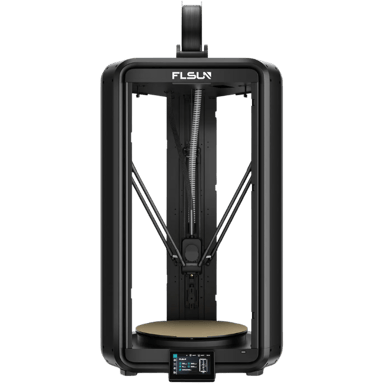
On the specification front, the FLSUN T1 Max impresses with a one-year warranty, reflecting the manufacturer's confidence in its build quality and durability. Measuring approximately 32.91 inches in width, 17.17 inches in depth, and 19.29 inches in height, this prebuilt Delta-style printer offers a generous build volume of 1922.34 cubic inches, corresponding to dimensions of 11.81 inches in width and depth, and 13.78 inches in height. Such a spacious print area is ideal for intricate projects and larger prototypes, particularly in fields like engineering and detailed miniatures.
Powering the printer, the internal power supply operates between 100 and 240 volts, consuming up to 600 watts during operation. While it lacks some advanced energy-saving modes, the robust power rating supports high-temperature extrusion and rapid print speeds without major strain, which is vital for professional-grade results. Material compatibility is another key highlight. The unit supports a broad spectrum of filaments, including PLA, ABS, TPU, PETG, and even engineering-grade materials like PC and ASA, thanks to its extruder capable of reaching up to 572°F. This thermal range accommodates everything from flexible to high-performance plastics, boosting versatility for various projects. The direct drive extruder ensures precise filament feeding, especially beneficial for flexible filaments.
Connectivity-wise, the printer offers modern conveniences, including USB and Wi-Fi options, enabling smooth file transfers and remote control via mobile apps and cloud-based software. Additional software supports popular slicers such as Cura and PrusaSlicer, increasing compatibility and allowing users to tap into familiar ecosystems effortlessly. The inclusion of a built-in camera and remote monitoring features aids in real-time print supervision, an increasingly valuable tool for uninterrupted workflow.
User Experience & Performance (Based on Specs)
Design & Build
The FLSUN T1 Max uses a Delta frame, a design renowned for its speed and agility in 3D printing tasks. The open enclosure design, while beneficial for quick cooling and easy access, means it lacks full environmental control found in enclosed printers, which might affect the printing of very temperature-sensitive materials. However, attention to practical details like vibration compensation and linear rails within the motion system translates into impressive stability and smoother finishes, essential for precise prototypes and models. The textured magnetic PEI build plate is removable, promoting fast model detachment and minimal post-processing hassles.
Performance
With an official maximum print speed of 1000 mm/s and a practical, effective print speed rated around 300 mm/s, this printer balances rapid production with quality control. A print accuracy of 0.1 mm underlines its ability to deliver fine details. Features like auto bed leveling minimize manual calibration effort, boosting first-layer reliability. Furthermore, smart printing aids such as spaghetti/fault detection and print recovery significantly increase the chances of successful prints even when interruptions or filament errors occur. Operating noise around 56 dB is moderately quiet, considering the printer's power and speed, making it suitable for office or home settings.
Camera & Display
The inclusion of a 4.3-inch touchscreen alongside a built-in camera facilitates an intuitive user interface and effortless monitoring. The touchscreen's resolution supports crisp visuals, while real-time camera feeds allow remote observation without needing to be physically present; an appreciated feature for busy users or workshop supervisors.
Extra Features
The printer comes equipped with many safety and convenience add-ons supported by relevant safety certifications, including CE, FCC, and RoHS. Overheat protection safeguards hardware longevity, and the filament runout sensor paired with power-loss recovery ensures that print jobs aren't lost during unexpected interruptions. Also, predictive maintenance and self-diagnostics alerts enhance upkeep, keeping downtime low despite its relatively simple internal architecture.
Pros & Cons
Pros
- Large build volume with precise 0.1 mm accuracy
- Supports a wide range of filaments, including high-temp materials
- User-friendly features like auto bed leveling and remote monitoring
- Strong safety certifications and protective features
Cons
- Open enclosure limits environmental control for specialty filaments
- No multi-material or dual-extruder support
- Lacks some advanced energy-saving features
Price & Value for Money
Priced at $499 at Amazon, the FLSUN T1 Max delivers strong value when considering its warranty period and versatile power supply voltage. The balance of build volume, filament compatibility, and advanced user conveniences justifies its mid-tier price tag, particularly for hobbyists or small workshops seeking reliable, speedy production without premium professional costs. Those requiring multi-material printing or tightly controlled environmental settings might find the lack of such options limiting, but overall, the FLSUN offers a competitive package for its price range.
Quick Take
In short, the FLSUN T1 Max combines a spacious printing area with fast, precise output tailored for intermediate users who want flexibility. If we look at the numbers alone, it manages to blend usability, safety, and modern connectivity features thoughtfully, making it an attractive option in its segment. It certainly holds up well against other consumer/professional crossover FDM printers in 2023.
Closing Recommendation
The FLSUN T1 Max may be ideal for users who prioritize build volume and print speed without sacrificing quality or ease of use. Its well-certified safety credentials and remote monitoring capabilities help users achieve smoother workflows, especially in professional prototyping or detailed hobby projects. While it doesn't push boundaries in multi-material complexity or enclosure design, it sustains solid performance backed by measurable specs and thoughtful feature integration.
Verdict
Rating: Based on the specifications and overall feature set, we believe FLSUN T1 Max deserves 4.3 out of 5.
- Winner Feature => impressive large build volume paired with high accuracy fosters versatile printing.
- Needs Improvement => limited enclosure and single extruder reduce options for advanced multi-material projects.
Reviews 0
The good, the bad, and the brutally honest.Average Rating


More 3D Printers 453
Unlock more awesome finds.